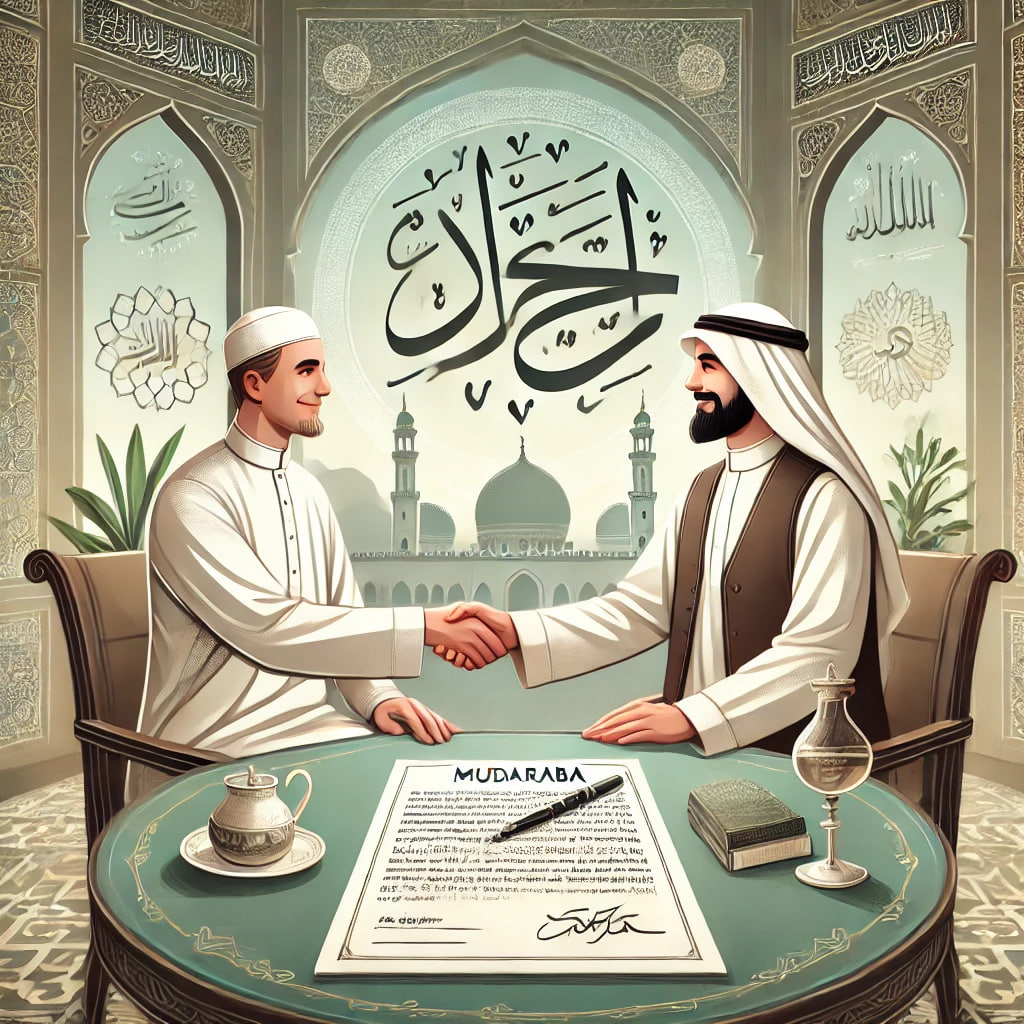
Mudaroba: Fundamentals and Principles of Shariah in Investments
A mudaroba contract is an agreement between two parties: one provides the capital (the capital owner), and the other carries out the work (the mudarib). The profits from the joint venture are shared, but for this contract to be Shariah-compliant, three key conditions must be met:Permitted Activities:The capital must be invested in areas permitted by Islam. This is essential for upholding the principles of ethical trading. No Capital Guarantee:The mudarib is not liable for the owner's capital if a loss occurs due to causes beyond their control. However, if the loss was caused by their incompetence or breach of contract, the mudarib is liable for the damage.Fixed Profit Percentage:The profit percentage must be determined in advance and clearly agreed upon. For example, the capital owner may receive 70% and the mudarib 30%, or a 50/50 split may be agreed upon. It is important that the terms are clear from the outset.Transparency and Documentation:Transparency in all aspects of the transaction is essential. A mudarabah contract is typically accompanied by a written agreement that spells out all terms, including profit shares, responsibilities, and permitted investment options. This prevents disagreements and ensures trust between the parties.Ethical Principles:Islamic financial principles emphasize ethics and social responsibility, so mudarabah supports projects that benefit society. For example, investments in environmental, social, or educational projects may be particularly appropriate and supported under mudarabah.Limited Rights of the Mudarib:The mudarib manages the capital but has no right to make decisions that conflict with the interests of the capital owner or the terms of the contract. Furthermore, the mudarib cannot invest the capital in another project without the owner's permission, thus protecting the interests of the capital owner.Risk and Fairness:The mudarabah concept avoids traditional fixed payments or guarantees, as these are contrary to Shariah principles. Instead, both parties assume certain risks: the capital owner risks money, and the mudarib risks their labor and time. Profits and losses are shared based on the terms established in the contract, which facilitates a fair distribution of risks.Reporting and Audits:Throughout the term of the agreement, the mudarib is required to provide the capital owner with reports on the project's progress and financial results. This allows both parties to monitor the project's success and make adjustments as necessary.By adhering to these conditions, the mudarib contract will comply with Islamic principles, promoting ethical and fair trade.